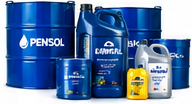
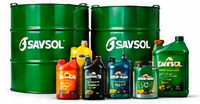
In a rotary screw compressor the oil does more than lubricate: it seals the rotor clearances, removes heat of compression and protects bearings. Poor oil shows up as high temperature, carry-over and short separator life.
What to look for
- High oxidation stability to resist sludge and varnish.
- Low deposit formation on valves and rotors.
- Good water separation and rust protection.
- The viscosity grade and oil type recommended by the compressor maker.
Mineral or synthetic?
Mineral oils are economical for moderate duty. Synthetic oils resist heat better and usually allow longer intervals and cleaner machines. Do not mix the two without following the manufacturer's changeover steps.
What decides the change interval?
Operating temperature is the biggest factor: each sustained rise in temperature shortens oil life. Dust, humidity and poor air filtration also age oil quickly. Follow the OEM interval and confirm with oil analysis.
Protect the oil
- Keep intake filters, coolers and separators clean.
- Fix leaks and keep the sump level correct.
- Replace the oil filter at each service.
Need help choosing?
Share your machine make and model, operating conditions and the manufacturer's recommendation. The RJ Enterprises technical team will suggest a suitable product and quote bulk pricing across India. Request a quote or call us.