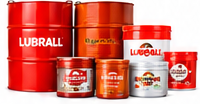
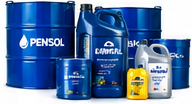
Industrial lubricants reduce friction and wear, carry away heat, protect against rust and keep contamination out. No single product does all of this for every machine, so plants use a family of lubricants, each designed for a specific duty.
Hydraulic oils
Hydraulic oil transmits power in presses, injection moulding machines, excavators and machine tools while lubricating pumps and valves. The key choices are the ISO viscosity grade and whether the oil needs anti-wear additives. Read more in our guide to hydraulic oil grades.
Gear oils
Gear oils protect gear teeth under heavy load and shock in helical, bevel and worm gearboxes. They are selected by ISO VG or AGMA grade and, for severe duty, by extreme-pressure (EP) additive level.
Compressor oils
Compressor oils lubricate, seal and cool the compression chamber of screw, reciprocating and vane compressors. Oxidation stability and low deposit formation matter most, because heat is the main enemy of compressor oil.
Greases
Grease is oil held in a thickener. It stays in bearings and bushes where oil would run out. Grease is chosen by NLGI consistency grade, base oil viscosity, thickener type and temperature range. See our grease selection guide.
Metal working fluids
Neat cutting oils and water-miscible coolants cool the cutting zone, lubricate the tool and flush chips. Our comparison of cutting fluid vs neat cutting oil helps you pick.
Quenching, thermic and speciality oils
Quenching oils control cooling in heat treatment, thermic fluids carry heat in closed heater circuits, and speciality oils such as transformer oil, white oil and rubber processing oil serve electrical, pharmaceutical and rubber industries.
How to choose the right lubricant
- Start with the equipment manufacturer's manual (OEM) for viscosity grade and specification.
- Consider load, speed, temperature and contamination (water, dust, chips).
- Do not mix brands or types without checking compatibility.
- Buy from an authorized distributor so the product is genuine.
Need help choosing?
Share your machine make and model, operating conditions and the manufacturer's recommendation. The RJ Enterprises technical team will suggest a suitable product and quote bulk pricing across India. Request a quote or call us.